


Tinto de Verano and Sangria
Is there anything more refreshing than a nice, cold glass of tinto de verano or sangria? If you've been to Spain in the summer, you've surely tried it and enjoyed it, especially if you paired it with a delicious paella!
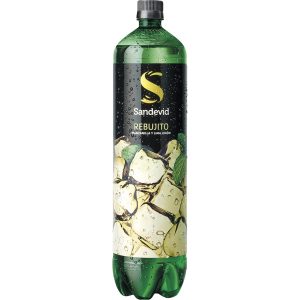
Tinto de Verano and Sangria
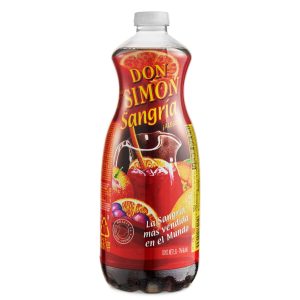
Tinto de Verano and Sangria
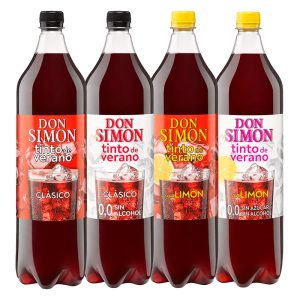
Tinto de Verano and Sangria
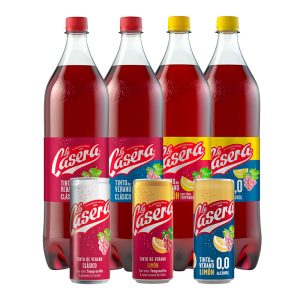
Tinto de Verano and Sangria
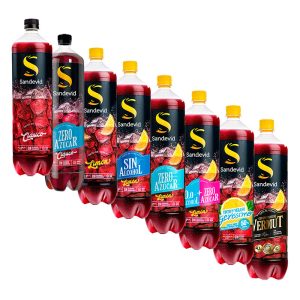
Tinto de Verano and Sangria
The tradition of Tinto de Verano and Sangria
Tinto de verano and sangria are two of the most iconic summer drinks in Spain. They weren't created as sophisticated products with international appeal, but rather as simple ways to beat the heat and enjoy wine in a lighter, more refreshing way. Over time, both have become symbols of outdoor living, terraces, local festivals, and shared meals when temperatures rise.
Tinto de verano is probably the most common and popular option. Its origins are linked to neighborhood bars, beach bars, and family gatherings. Traditionally, it's made by mixing red wine with soda water or lemon-lime soda, served very cold, and often with a slice of lemon. There's no strict recipe, and that's precisely where part of its charm lies. It's a straightforward drink, without artifice, designed to refresh and accompany food without overpowering the dishes.
Sangria, on the other hand, has a more festive character. Although it shares wine as its base, its preparation is usually a bit more elaborate. Fresh fruits like orange, lemon, or peach are added, along with a touch of sugar and, sometimes, a splash of liqueur. Sangria is associated with large gatherings, celebrations, and long meals, where it's served in large pitchers to share. Its fruity flavor and lower alcohol content make it especially appealing during the warmer months.
Both drinks are deeply rooted in Spanish summer traditions. They are primarily consumed at midday, during outdoor meals, local festivals, fairs, and informal gatherings. Their role is not that of a drink to be savored, but rather to accompany the moment, refresh, and facilitate conversation.
As for gastronomy, tinto de verano and sangria pair particularly well with typical Spanish summer dishes. Paella is one of the most common accompaniments, especially at family gatherings or celebrations on the coast. The fresh and light character of these drinks balances the intensity of the rice, the sofrito, and the traditional ingredients, without masking their flavors.
They are also commonly served alongside popular rice dishes, grilled meats, fried fish, tapas, salads, and simple meals. In beach bars and pubs, tinto de verano often replaces traditional wine during the hottest months, precisely because of its refreshing quality without being heavy.
From a consumption standpoint, both drinks reflect a very Spanish way of understanding summer: unhurried, with long tables and good company. It's not about the perfect recipe or the exact proportions, but about the context. Every home and every bar has its own version, and that variety is part of the tradition.
In recent years, both tinto de verano and sangria have gained popularity outside of Spain, but within the country they maintain their popular essence. They remain accessible drinks, associated with informal moments and far removed from any pretension. Ultimately, they represent the more relaxed and social side of wine in Spain, perfectly suited to the heat and outdoor life.
Beyond trends or reinterpretations, these drinks continue to fulfill the same function as decades ago: to refresh, accompany, and turn any summer meal into a shared experience.