


Cultura
Spanish olives as an appetizer: varieties, flavors and tradition

Mar
Talking about olives in Spain is talking about tradition, about bars with high tables, about impromptu gatherings, and about that simple gesture of opening a jar while preparing a meal. It's no coincidence that olives are one of the most popular snacks throughout the country. From south to north, each region has developed its own way of seasoning, serving, and enjoying them.
Beyond its use in oil production, the table olive has its own distinct identity. It is consumed in various forms, pitted or unpitted, whole or cracked, and above all, seasoned with recipes passed down through generations. The interesting thing is that there isn't just one way to prepare them: each variety has its own character, texture, and flavor.
Next, we review some of the main Spanish olives that are consumed as an appetizer, focusing on their origin, their seasoning and how they are actually perceived when eaten.
Manzanilla sevillana: the classic that never fails
The Manzanilla Sevillana is probably the most recognized table olive in Spain. It comes mainly from the province of Seville and is characterized by its medium size, round shape, and firm flesh.

It can be found both bone-in and boneless, making it very versatile. Its flavor is mild, slightly salty, with a very clean, vegetal note. It's not usually aggressive on the palate, which explains why it appeals to practically everyone.
As for the seasoning, it's often served in simple brine, although it also goes well with garlic, pepper, or herbs. It's the quintessential olive that appears in any appetizer, needing no introduction.
Okal Cracked: intensity with Andalusian character
Okal cracked olives are less well-known outside of Andalusia, but highly prized in areas like Córdoba and Málaga. They are made from green olives that are lightly cracked to open the flesh without breaking the pit.
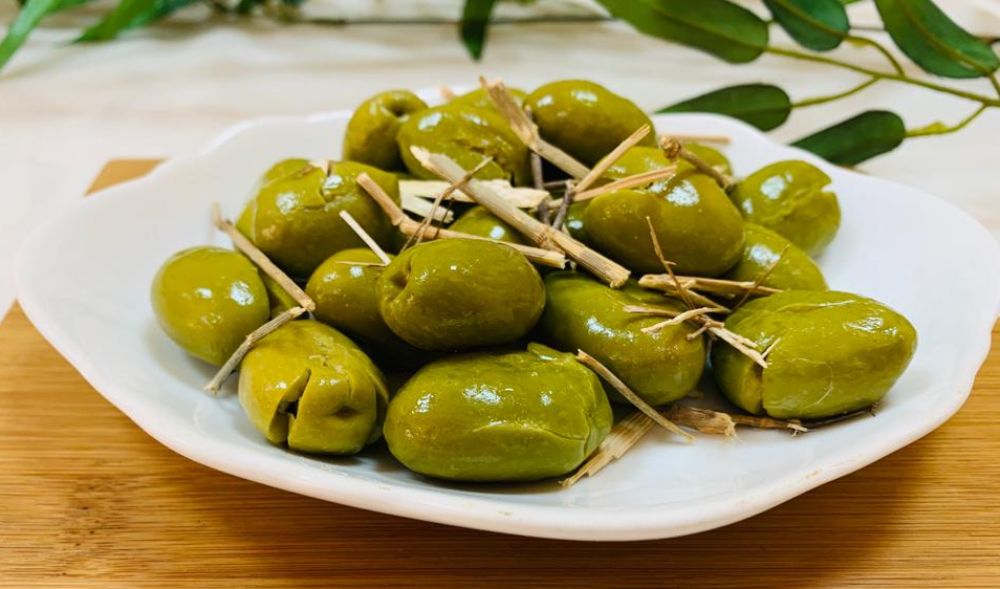
This "cutting" allows the seasoning to penetrate better. This is where it truly shines: it typically includes garlic, bell pepper, oregano, fennel, rosemary, and, in some cases, a touch of spice. The result is a flavorful olive, more intense than the Manzanilla variety, with a more rustic texture.
Upon tasting it, the first thing you notice is the seasoning, followed by the olive flavor, which is well infused. It's ideal for those looking for something with more intensity.
Finger-chupadedos: powerful and unapologetic flavor
The term "finger-licking olives" doesn't refer to a specific variety, but rather a very popular way of preparing them. They are typically made with green or slightly ripe olives, heavily seasoned.
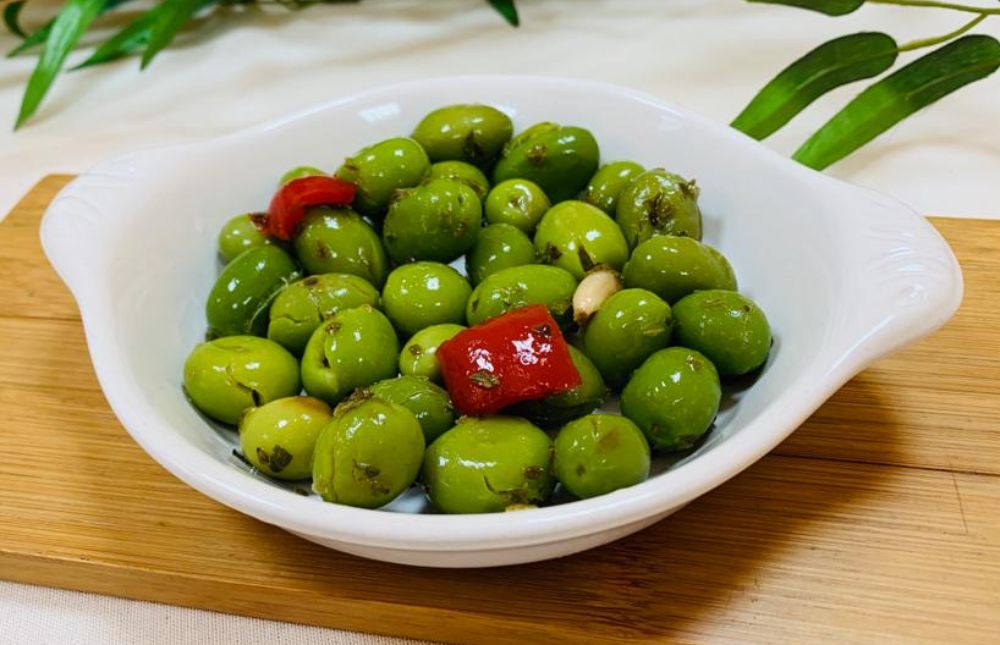
Its name is no coincidence: the seasoning is so flavorful that you'll want to use every last bit. It typically includes garlic, cumin, paprika, vinegar, and sometimes chili pepper. The result is an olive with a tangy, spiced, and slightly hot flavor.
On the palate they are direct, without any subtle nuances. They are the kind of olives that don't go unnoticed and work very well at gatherings or as an accompaniment to drinks.
Gordal: large size, mild flavor
The Gordal olive stands out at first glance due to its size. It is one of the largest olives consumed as a snack in Spain, and it originates from Andalusia, especially Seville.
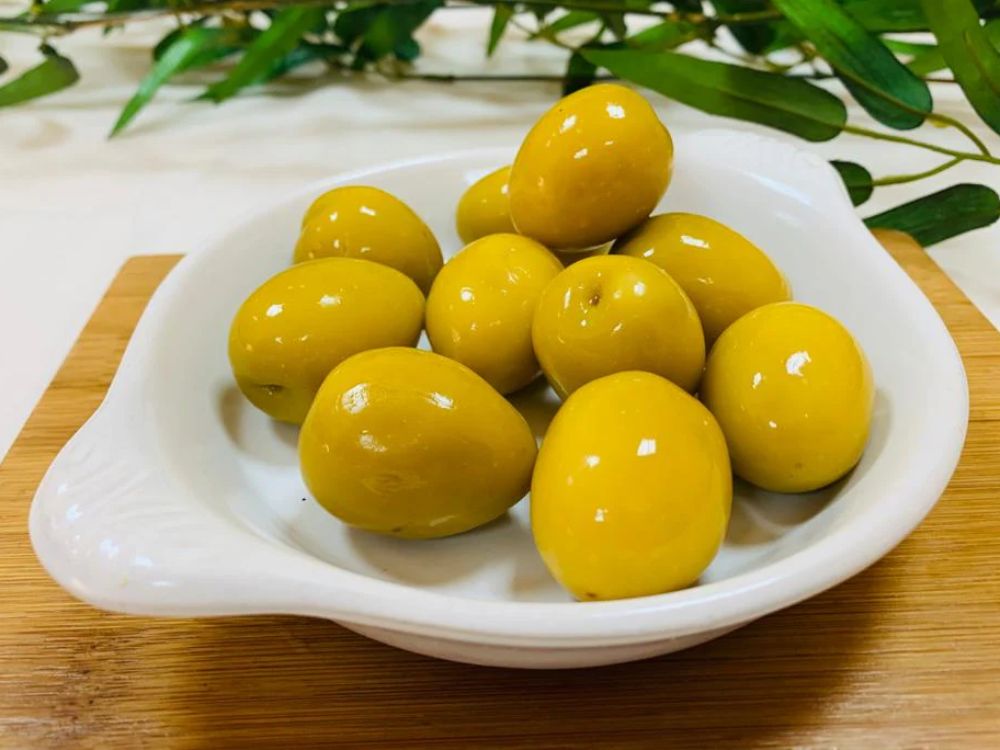
Despite its size, its flavor is quite mild. It has a meaty pulp with a firm but pleasant texture. It's neither bitter nor overpowering, making it very approachable.
It's usually served with simple seasonings or even stuffed, although it can also be found with hints of pepper or pickles. This olive stands out more for its appearance and texture than for a strong flavor.
Purple olives: a balance between sweetness and saltiness
Purple olives are at an intermediate stage of ripeness, between green and black. Their color makes them easily recognizable, and their flavor offers distinct nuances.
They are softer than the green ones, with a slightly sweet touch that distinguishes them. Their texture is usually somewhat softer, although they maintain consistency.
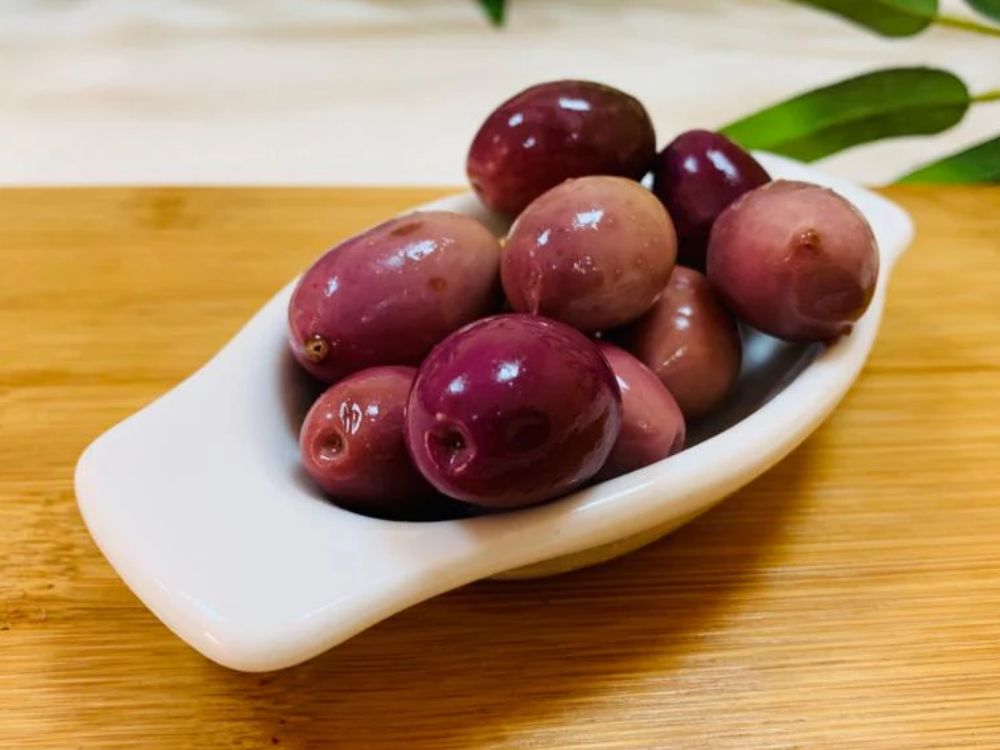
The seasoning may vary, but it's usually more subtle so as not to mask their natural flavor. In terms of taste, they are pleasant, easy to eat, and very well-balanced. They are a good option for those looking for something different without straying too far from the classics.
Cuquillo: a variety with its own identity
The Cuquillo olive is typical of areas such as Murcia and Alicante. It has an elongated shape and is smaller in size than other more commercially available varieties.
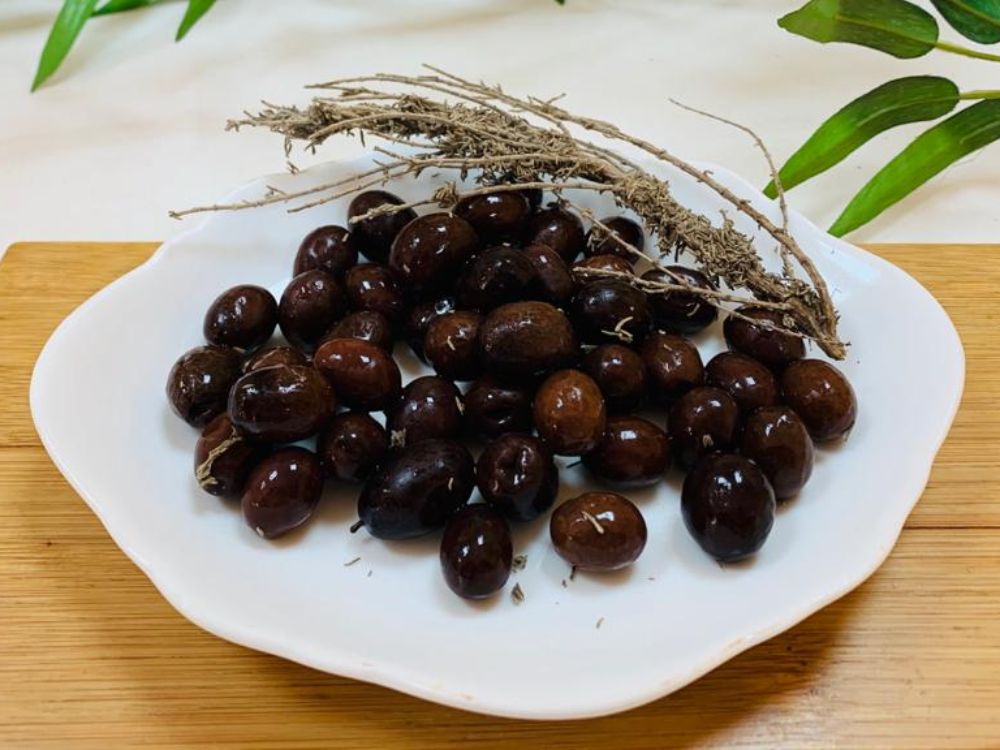
Its flavor is more pronounced, with a slightly bitter note that makes it interesting for palates more accustomed to olives. It's not as mild as the Manzanilla variety, but neither is it as intense as the more spiced, seasoned ones.
It is usually prepared with simple seasonings or in brine, which allows its character to be better appreciated. It is an olive that improves with age, ideal for those seeking more traditional nuances.
Gazpachas: freshness and traditional flavor
Gazpacha olives are very popular in southern Spain. They are characterized by a fresh marinade, where ingredients such as garlic, pepper, vinegar, and aromatic herbs predominate.

The result is an olive with a refreshing, slightly acidic, and very aromatic profile. It's not overpowering, but it certainly has character.
The seasoning is noticeable from the first bite, but not overpowering. They are very popular in summer, as they are light and easy to eat.
Seasoned olives: endless variety
The term "seasoned olives" encompasses many different preparations. They don't follow a single recipe, but rather multiple combinations that depend on the region and the cook's preferences.
They can contain garlic, thyme, rosemary, paprika, lemon, vinegar, or even orange. This variety makes each jar different.
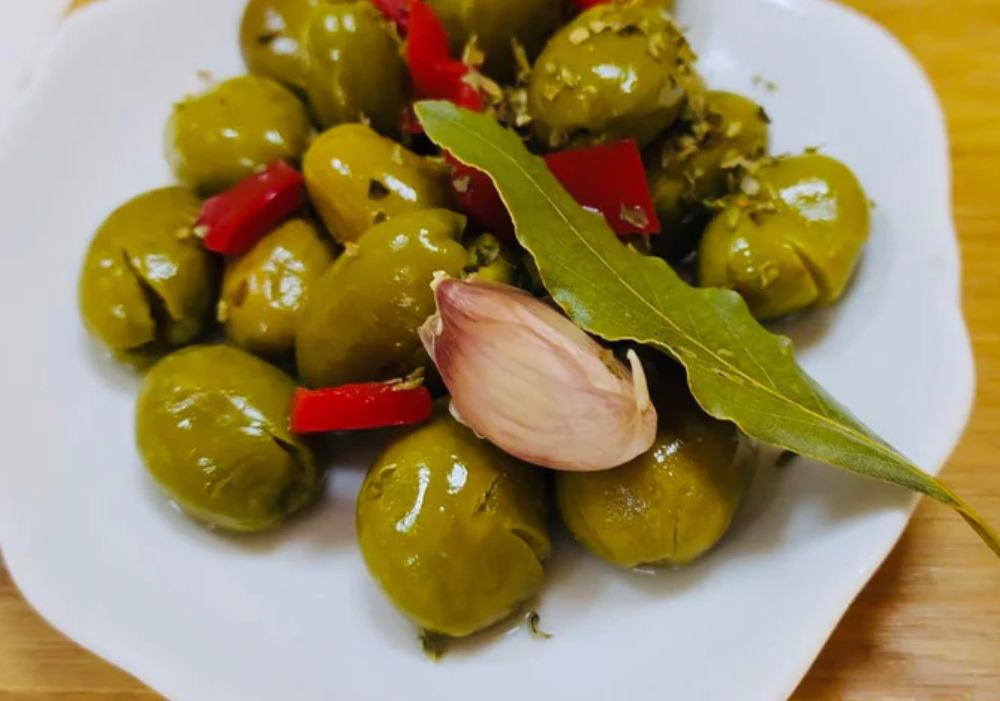
What's interesting about these olives is that they allow you to discover new flavors within the same product. Some are mild, others more intense, but they all share that homemade touch that makes them special.
Mediterranean mix: a combination for all tastes
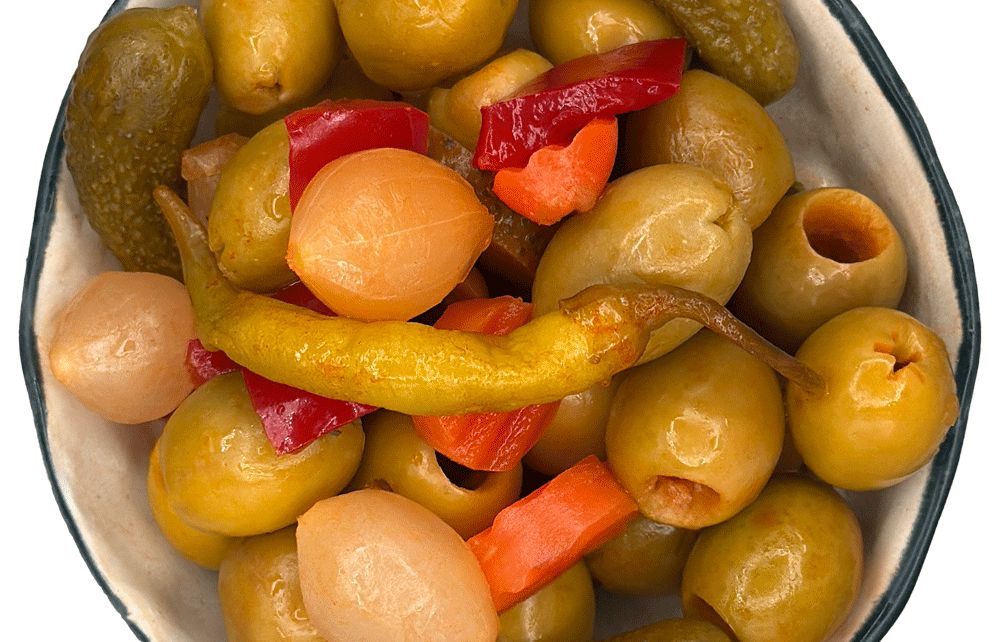
Mediterranean mixed olives are not a single type of olive, but a combination of several. They usually include green and black olives, pickled vegetables such as gherkins or carrots, and even pearl onions.
It's a very practical option for those who want variety without having to choose just one thing. Each bite is different, which makes it more dynamic.

As for the flavor, it depends on the mix, but it's usually balanced, with acidic, salty, and slightly sweet notes. It works very well as an appetizer to share.
Mojo picón: a Canarian touch with personality
Mojo picón olives are inspired by the famous Canarian sauce. They are seasoned with a mixture that includes garlic, paprika, oil, and, in many cases, a touch of spice.
The result is an olive with character, where the seasoning plays a significant role. The flavor is intense, slightly smoky, and with a lingering peppery note.
They're ideal for those looking for something different and with more personality. They're not the softest, but they are among the most memorable.
Benefits of olives in the diet
Besides their flavor and role as an appetizer, olives also offer some interesting health benefits. They are a source of healthy fats, especially oleic acid, which is part of the Mediterranean diet.
They also contain antioxidants and minerals, and moderate consumption can fit perfectly into a balanced diet. However, it's important to be mindful of their salt content, especially in the more seasoned versions.
Much more than just a simple appetizer
Spanish olives are not a uniform product. Each variety, each seasoning, and each region contributes something different. Therefore, rather than simply choosing "olives," the key is discovering which ones best suit each occasion.
From the mildest to the most intense, they all have their place at the table. And therein lies their value: in their ability to adapt to any occasion, from a quick snack to a gathering with friends.
In the end, few things represent the way of enjoying food in Spain as well as a plate of olives in the center of the table.
