


Spanish White Wine
In Spain, it's impossible to imagine enjoying a delicious seafood or fish dish without pairing it with a good white wine. We offer wines from various appellations of origin, and you might not know which one to choose, but we assure you that none of the wines available in our cellar will disappoint.
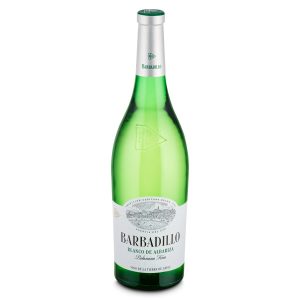
Spanish Drinks
Spanish White Wine: the perfect accompaniment to fish and seafood
White wine has been a constant presence on many Spanish tables for centuries, especially in coastal areas and regions where fish and seafood are staples. Although red wine was long considered the most prominent feature of Spanish wine, Spanish white wines have a deep-rooted tradition, linked to the land, the climate, and a very specific approach to gastronomy.
In Spain, white wine is not considered a secondary beverage. In many homes, opening a bottle of chilled white wine is almost automatic when serving fresh fish, shellfish, or seafood rice dishes. Its freshness, balanced acidity, and clean aromas make it the ideal accompaniment to dishes where the ingredients are the true stars and should not be overpowered.
The relationship between white wine and fish is almost instinctive. A young, fresh white wine enhances the flavor of the fish without overpowering it, cleansing the palate and adding lightness to each bite. The same is true for shellfish, where an overly powerful wine would disrupt the balance. That's why, in fish markets, beach bars, and traditional restaurants, white wine has always been the most logical and popular choice.
Among the most renowned designations of origin for Spanish white wines, Rías Baixas in Galicia undoubtedly stands out. Made primarily with Albariño grapes, these wines are characterized by their freshness, marked acidity, and fruity and saline notes. They are the perfect accompaniment to shellfish such as barnacles, clams, or mussels, as well as to grilled or steamed white fish.
Another essential appellation is Rueda, in Castile and León. Its white wines, made primarily with Verdejo grapes, offer a very recognizable aromatic profile, with herbaceous and fruity notes. They are versatile, easy-drinking wines, very popular throughout Spain, ideal for both mild fish and seafood rice dishes.
In the north of the country, Txakoli represents a unique tradition. This white wine, slightly acidic and with a touch of effervescence, is typical of the Basque Country and is usually enjoyed with fish, anchovies, shellfish, and pintxos. Its fresh and straightforward character perfectly reflects the cuisine of the Cantabrian coast, based on absolute respect for the ingredients.
It's impossible to talk about Spanish white wines without mentioning Valdeorras, Ribeiro, or Terra Alta, appellations that have gained recognition thanks to varieties like Godello and Garnacha Blanca. These wines tend to have a bit more body, while still maintaining the necessary freshness to accompany baked fish, seafood stews, or even more elaborate shellfish dishes.
In Mediterranean regions, white wines also serve a refreshing purpose, especially during the warmer months. Served well chilled, they accompany fried fish, boiled shellfish, or fish rice dishes, forming part of a deeply rooted tradition on the Spanish coast. It's not just about pairing, but about sharing moments around a simple table, where the white wine flows effortlessly.
The culture of white wine in Spain is linked to its naturalness. You don't need a special occasion to enjoy it, nor advanced technical knowledge. It's an approachable, everyday, and honest wine, suitable for both a family meal and an informal celebration. That is precisely one of the reasons why its consumption continues to grow and its prestige has been consolidated over time.
In short, Spanish white wines represent a fundamental part of the country's gastronomy. Their tradition as accompaniments to fish and seafood is not accidental, but rather the result of centuries of experience and adaptation to the environment. From the Galician coast to the interior of the peninsula, white wine continues to occupy a privileged place at the Spanish table, demonstrating that freshness, balance, and respect for the product never go out of style.