


Spanish Cheese
Along with ham, Spanish cheeses are undoubtedly the Spanish product that makes the difference thanks to its diversity of varieties and its gastronomic tradition.
And if you combine it with a good plate of well-cut ham and wedged cheese, words are unnecessary; whoever has tried it will never forget it.
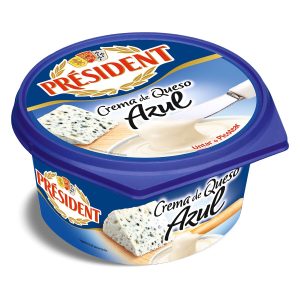
Spanish Cheese
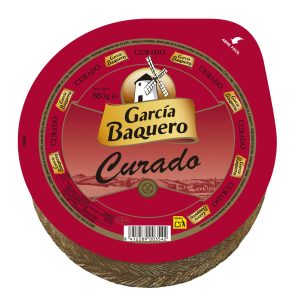
Spanish Cheese

Spanish Cheese

Spanish Cheese

Spanish Cheese

Spanish Cheese

Spanish Cheese

Spanish Cheese
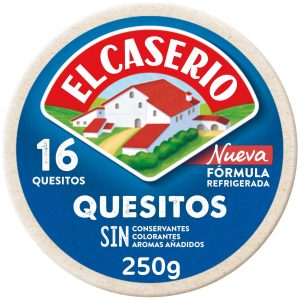
Spanish Cheese

Spanish Delicatessen

Spanish Cheese
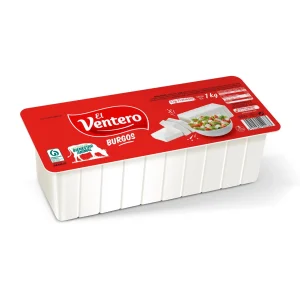
Spanish Cheese
Spanish cheese: varieties, tradition and a unique gastronomic richness
Spanish cheese is one of the cornerstones of the country's gastronomy, although it often doesn't receive the attention it deserves. Spain boasts one of the greatest diversities of cheese in Europe, a result of its geography, climate, and long-standing livestock farming tradition. Each region has developed its own recipes, using the available milk and adapting the production processes to the local environment and customs.
From fresh cheeses to long-aged varieties, cheese in Spain doesn't follow a single pattern. It's a living, evolving product, deeply connected to the land. In many rural areas, cheese has been, for centuries, a way to utilize milk and transform it into a long-lasting, flavorful, and easily transportable food.
Types of cheese according to the origin of the milk
One of the main criteria for classifying Spanish cheese is the type of milk used. Each type of milk contributes very different characteristics in flavor, texture, and aroma.
Cow's milk cheese is typically softer and creamier. It's common in northern regions, where cattle farming has played a significant role. These cheeses are known for their soft texture and delicate flavor, and are highly prized in both fresh and semi-cured versions.
Goat cheese offers a more intense and slightly acidic flavor profile. Its aroma is unmistakable, and its texture can range from very creamy to firm, depending on the degree of aging. In Spain, goat cheese is enjoyed both on its own and as part of salads, tapas, or more elaborate dishes.
Sheep's milk cheese is probably the most representative of Spanish cheesemaking tradition. Sheep's milk is richer and fattier, resulting in cheeses with greater intensity, body, and a longer finish. This type of cheese is the basis for some of the country's most renowned cheeses.
There are also cheeses made with a mixture of milks, combining cow, goat, and sheep milk. These blends allow for a balance of flavors and textures, resulting in versatile cheeses that are highly valued for their harmony.
Classification according to the degree of cure
Another common way to classify Spanish cheese is according to its maturation time. This factor has a decisive influence on the final flavor, texture, and aroma.
Soft cheese is characterized by its short maturation period. It is a mild, moist, and easy-to-eat cheese, ideal for those who prefer mild flavors. Its texture is elastic, and its flavor is reminiscent of fresh milk.
Semi-cured cheese offers a highly prized balance between mildness and intensity. Its longer maturation allows for the development of more complex flavor notes without becoming overpowering. It is one of the most consumed cheeses in Spain due to its versatility.
Aged cheese is distinguished by its intense flavor and firm texture. During its long maturation process, it loses moisture and concentrates its aromas, offering a more profound experience. It is usually enjoyed on its own, in thin wedges, or accompanied by bread and wine.
There are also aged cheeses, with very long curing times, which have a distinctive character and a long, lingering finish. These are cheeses to be savored slowly, appreciating every nuance.
Toasted cheeses and special treatments
Within the world of Spanish cheese, we also find varieties with specific treatments, such as toasted cheese. In this type of cheese, the rind undergoes a toasting or smoking process that imparts different aromas and a deeper flavor.
These cheeses are highly prized in certain regions and are often enjoyed as tapas or as part of a cheese board. The toasting process creates an interesting contrast between the rind and the interior of the cheese, enriching the overall experience.
Designations of origin and emblematic cheeses
Spain boasts numerous designations of origin that protect and certify the quality of its cheeses. Among the best known is Manchego cheese, made exclusively with milk from Manchega sheep and aged for varying periods. Its balanced flavor and distinctive texture have made it an international benchmark.
Other notable cheeses include Idiazabal, made from sheep's milk with a light smoke, typical of the Basque Country and Navarre; Cabrales, intense and blue, made in Asturias; or Tetilla, made from cow's milk with a creamy texture, very popular in Galicia.
These designations not only guarantee the quality of the product, but also preserve traditions and artisanal methods passed down through generations.
Cheese on the Spanish table
Cheese is an integral part of everyday life in Spain. It's enjoyed as an appetizer, a dessert, in sandwiches, or as an ingredient in countless recipes. A cheese board is a common way to end a meal, especially at family gatherings or celebrations.
Furthermore, Spanish cheese pairs perfectly with wines, sausages and preserves, forming very recognizable combinations within the country's gastronomy.
A product with its own identity
Spanish cheese is not a uniform or standardized product. Each piece reflects the environment, the raw materials, and the cheesemaker's expertise. This diversity is precisely its greatest value.
Today, interest in artisanal and protected-origin cheeses has grown, reinforcing the role of Spanish cheese as a product of quality and tradition. Learning about its varieties, understanding their differences, and appreciating them allows us to better understand one of the country's gastronomic treasures.
Ultimately, Spanish cheese is much more than just food. It's culture, territory, and flavor. A product that has remained true to its roots while continuing to win over palates both within and beyond Spain.