


Seafood Preserves

Seafood Preserves

Seafood Preserves

Seafood Preserves

Seafood Preserves

Seafood Preserves

Olives and Pickles
Olives and Pickles
Canned Goods from Spain

Canned Vegetables

Seafood Preserves

Seafood Preserves
Spanish preserves: tradition, quality and an essential pantry
Spanish preserves have been a part of everyday life for generations. They are not only a practical resource, but also another expression of the country's gastronomy, where respect for the product and the pursuit of authentic flavor have always been paramount. In Spain, the canning culture is deeply rooted, both in coastal areas and inland, and has allowed people to enjoy quality food year-round.
The Spanish canning tradition arose from the need to use surplus food and preserve it at its peak. Over time, this practice has been perfected into a true specialty, recognized both within and beyond our borders. Today, canned goods are not seen as a substitute for fresh produce, but as a product with its own intrinsic value.
Canned seafood: the taste of the sea in every can
Seafood preserves hold a prominent place in the Spanish pantry. Sourced primarily from the Galician and Cantabrian coasts, these preserves are distinguished by the quality of their raw materials and meticulous production processes.
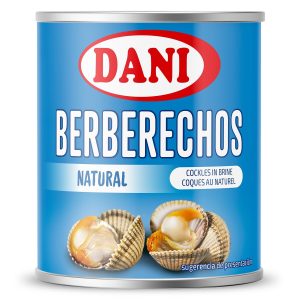
Products like cockles, pickled mussels, sardines, and razor clams are harvested at their peak and preserved to maintain their texture and flavor. Pickling, made with vinegar, oil, and spices, is one of the most traditional and highly regarded preparations, as it enhances the seafood's flavor without masking it.
These preserves can be enjoyed on their own as an appetizer or as part of more elaborate recipes. They are common in tapas, salads, or served with good bread, and represent a simple way to enjoy the seafood at any time.
Vegetable preserves: garden tradition and practical cooking
Preserved vegetables reflect the bounty of Spanish produce and the importance of using it in traditional cuisine. Artichokes, green beans, chickpeas, tomatoes, and peppers are preserved when they are at their peak, guaranteeing flavor and texture year-round.
Canned artichokes are especially appreciated for their versatility. They are used in salads, stews, or as a side dish, adding a mild and delicate flavor. Canned legumes, such as chickpeas or beans, have made it easier to prepare traditional dishes without sacrificing quality.
Canned tomatoes deserve special mention. The basis of countless recipes, their use is deeply ingrained in Spanish cuisine. Sauces, sofritos, and stews often start with good quality canned tomatoes, demonstrating that simplicity and quality can go hand in hand.
Olives and pickles: the quintessential appetizer
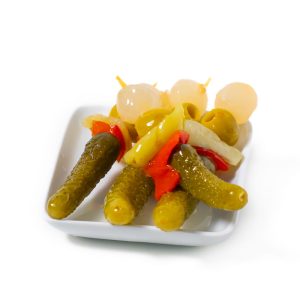
Olives and pickles are the undisputed stars of the Spanish aperitif. No bar or home is complete without marinated olives, pickled skewers, or gherkins. These products offer freshness, acidity, and a touch of intensity that whets the appetite and complements any drink.
Among the most consumed are olives, in many varieties and seasonings, from the mildest to the most intense. Spicy skewers combine olives, chili peppers, and other vegetables, offering a balanced and highly recognizable flavor.
Pickled vegetables, such as pearl onions, stems, or gherkins, have been part of Spanish tradition for decades. Their crunchy texture and tangy flavor make them a perfect complement to tapas, charcuterie boards, or even as an accompaniment to main dishes.
A pantry that defines a way of eating
Spanish canned goods stand out not only for their variety but also for their role in everyday cooking. They are practical yet authentic products that allow you to improvise meals, prepare appetizers, or easily complete recipes.
In a specialized online store, canned seafood, vegetables, and pickles form a solid foundation for any pantry. Their long shelf life, ease of use, and quality make them indispensable products for those who appreciate good food without sacrificing convenience.
Ultimately, Spanish canned goods are much more than a quick fix. They represent tradition, flavor, and culinary culture. Each can or jar embodies the work of generations and a way of understanding cuisine based on respect for the ingredients and the enjoyment of simplicity.