


Cultura
Spanish cheeses: varieties, types and everything you need to know

Apr
Talking about Spanish cheeses isn't simply about listing well-known names. It's about entering a universe where each cheese tells a different story. A story that involves the landscape, the climate, the type of livestock, and, above all, the hands that craft it.
In Spain, cheese isn't just another pantry staple. It's part of everyday culture. It's found in bars, homes, celebrations, and impromptu meals. From a simple cheese board to more elaborate recipes, cheese always finds its place.
The interesting thing is that there isn't just one type of Spanish cheese. On the contrary, there's an enormous diversity, so much so that it often goes unnoticed. That's why, in this article, we're going to go beyond the basics: we'll see how cheeses are classified and then explore the main Spanish varieties, delving into their true characteristics, without just offering superficial descriptions.
How are cheeses classified in Spain?
Before delving into specific varieties, it's worth understanding what makes one cheese different from another. It's not all about flavor: several factors directly influence the final result.
Type of milk: the starting point of everything
The type of milk largely determines the character of the cheese. Working with cow's milk is not the same as working with sheep's or goat's milk.
Cow's milk cheeses
They tend to be milder and more accessible. They have a creamier texture and a less aggressive flavor, making them ideal for those who don't seek strong tastes. They are very common in northern Spain, where the climate favors cattle farming.
Sheep's milk cheeses
Here we enter a more serious category. These are cheeses with more fat, more body, and a deeper flavor. They have that quality that fills the palate more and, with long aging processes, can become quite intense.
Goat's milk cheeses
Perhaps the most distinctive. They have a more pronounced aroma and a slight acidity that makes them easily recognizable. They're not for everyone, but those who get used to them usually come back for more.
Mixed Cheeses
They are made by combining several types of milk. The goal is usually to balance flavors and textures, creating more well-rounded profiles.
Healing time: where the transformation occurs
Time completely changes cheese. It's not just a matter of hardness, but also how the flavor evolves.
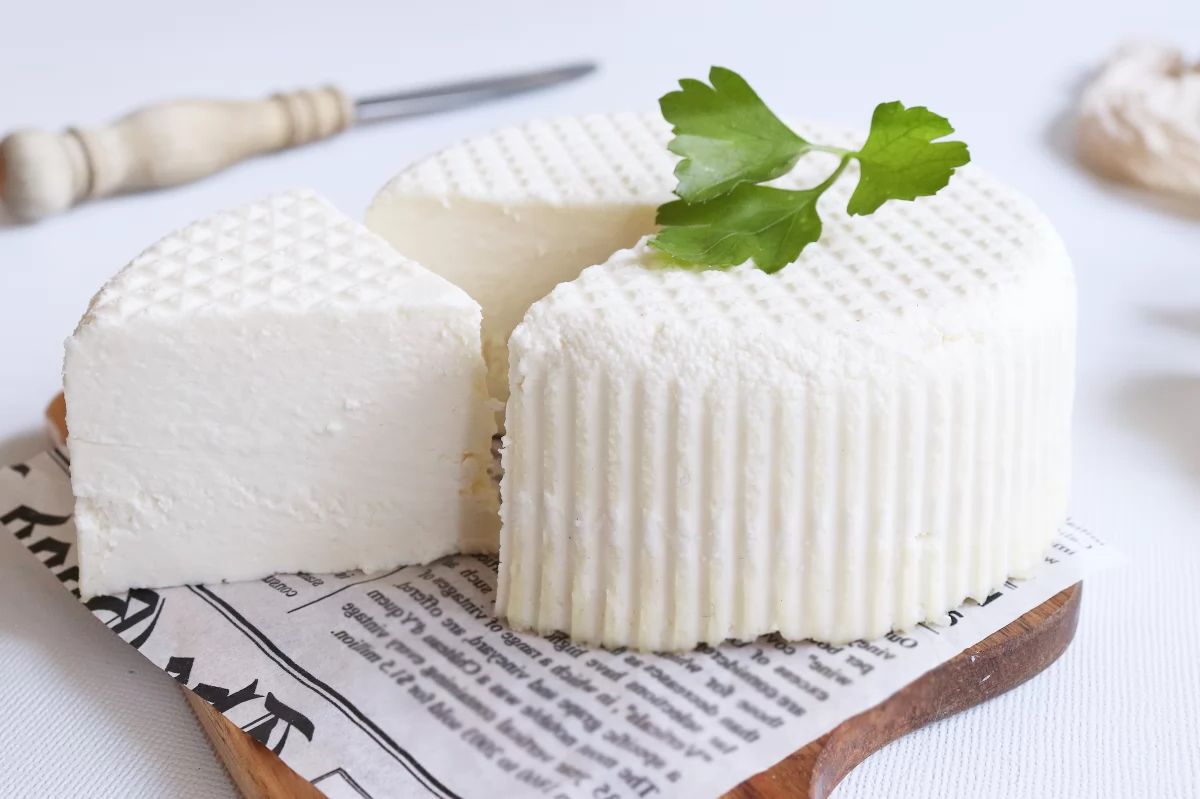
Fresh cheeses
They don't go through a ripening process. They are soft, moist, and light. They are consumed quickly and have a very clean flavor.
Soft cheeses
With a few days or weeks of healing, they begin to have more consistency, but remain soft.
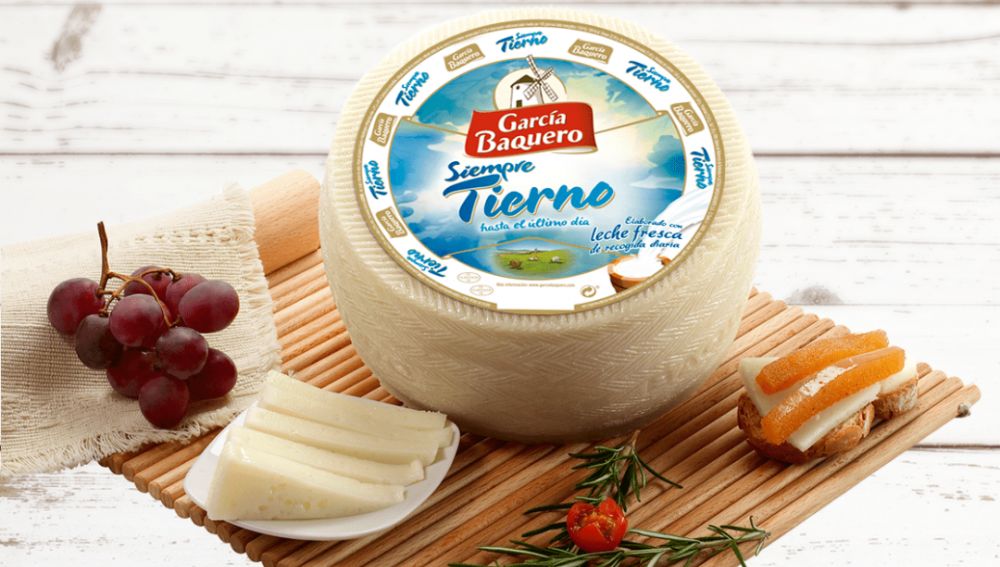
It is the most commonly used cheese in Spain for toast and sandwiches.
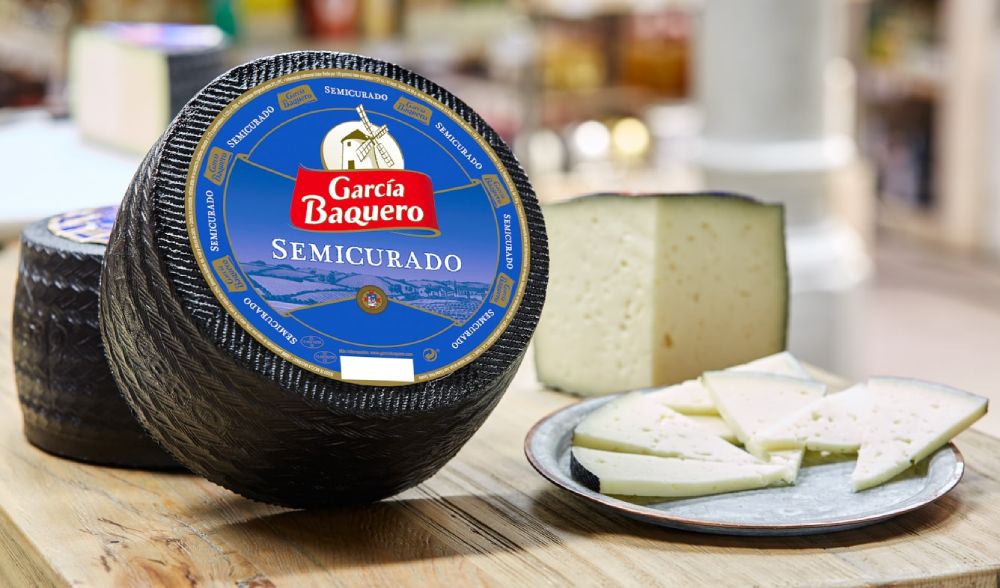
Semi-cured cheeses
This is where the balance comes in. Not too soft, not too intense. They are probably the most versatile.
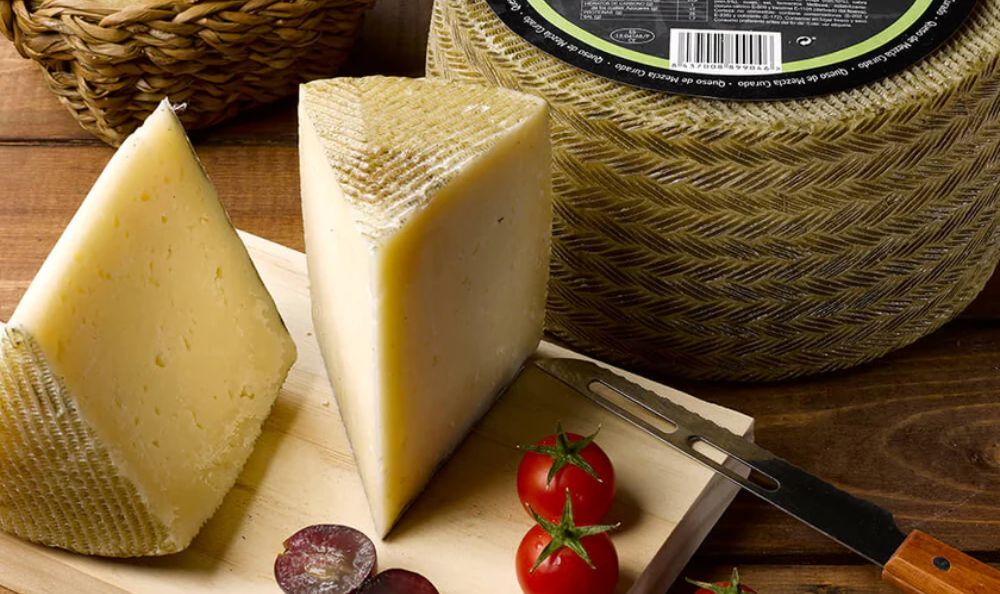
Cured cheeses
Drier, firmer, and with a more concentrated flavor. Here you can start to notice the character.
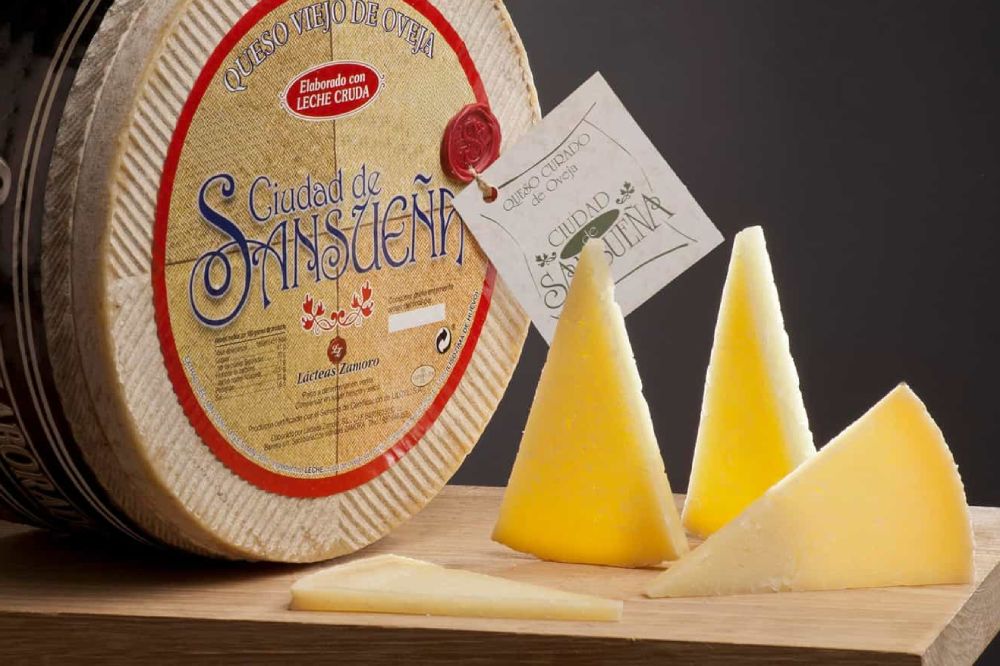
Aged or old cheeses
Long curing times. Complex flavors, sometimes spicy or with very deep nuances.
Type of preparation and texture
How the cheese is made also makes a big difference:
- Pressed pasta: the most common in Spain
- Paperback: creamier, sometimes with a moldy crust
- Blue cheeses: with internal molds that develop an intense flavor
- Smoked cheeses: with a distinct aromatic profile
Main varieties of Spanish cheeses (explained in detail)
Now we get to the interesting part. We're going to explore some of the most representative varieties, but without sticking to the typical ones.
Manchego cheese
Manchego cheese is probably the most recognizable outside of Spain, but that doesn't mean it's simple. Quite the opposite.
It is made with milk from Manchega sheep, a very specific breed, which already makes a significant difference. Its texture is firm and compact, but not dry if properly cured. When cut, it usually has small eyes (holes) distributed irregularly.
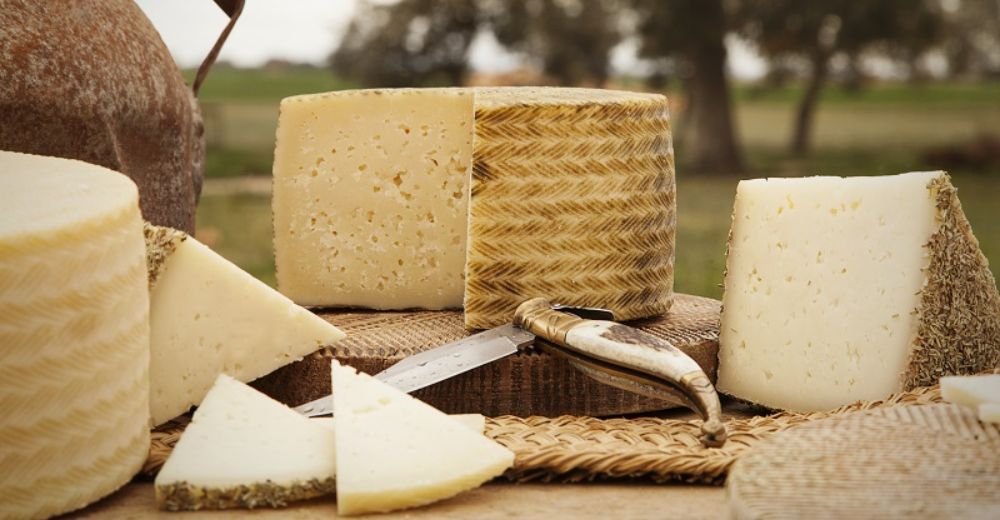
As for the flavor, it largely depends on the aging process. A semi-cured Manchego cheese can be quite approachable, with slightly sweet notes. However, when the aging process is extended, more intense nuances emerge: nutty flavors, a touch of spice, and a lingering aftertaste.
It's a cheese that works well on its own, but also with accompaniments. Bread, wine, or even something sweet like quince paste can completely transform the experience.
Idiazabal Cheese
Idiazabal is a cheese that doesn't try to please everyone. It has character, and that's noticeable from the first moment.
Made with milk from Latxa or Carranzana sheep, it has a firm texture and a rather deep flavor. In some cases, it also undergoes a smoking process, which adds an extra layer of complexity.
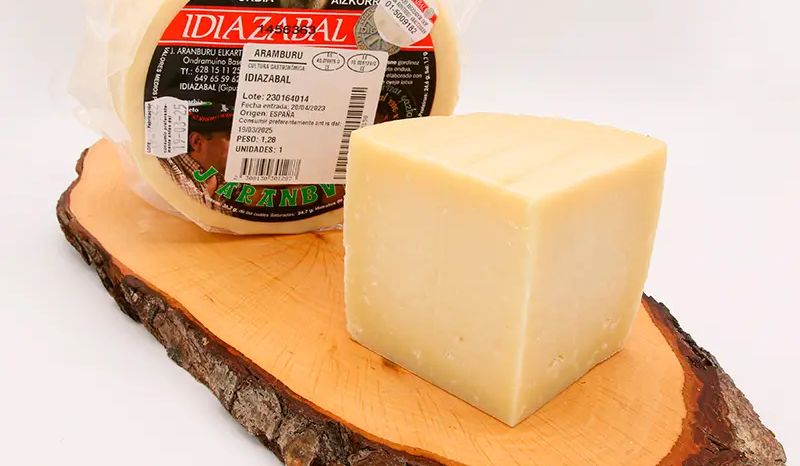
It's not a mild cheese. It has intensity, but it's well-balanced. It's not overpowering if enjoyed slowly, but it certainly leaves a lasting impression. It's one of those cheeses that you remember.
Cabrales cheese
Now we're talking about something truly special. Cabrales is one of the most intense cheeses in Spain.
It's a blue cheese with internal veins that develop a very powerful flavor. Its texture can vary, but it's usually creamy and slightly moist. The aroma already hints at what's to come: strong, pungent, with no half measures.
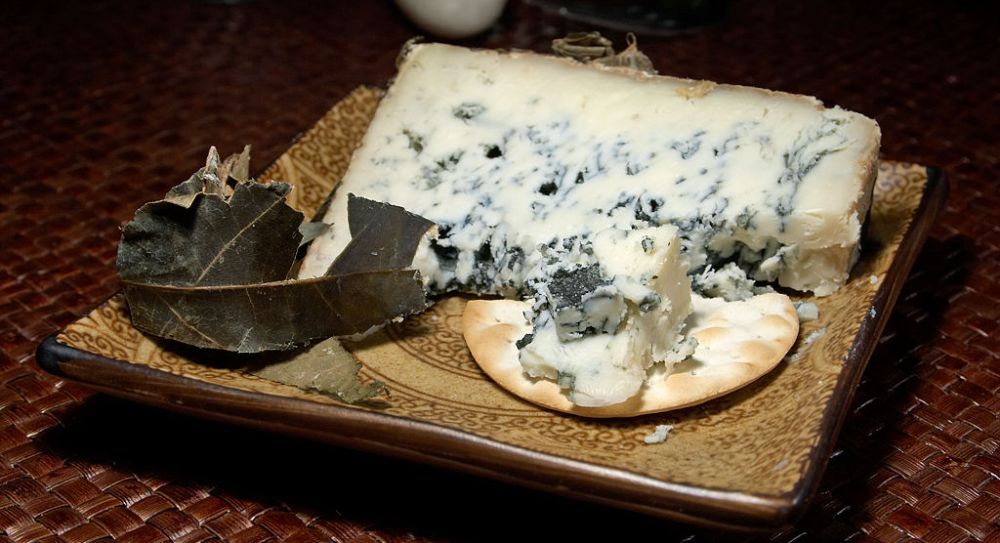
It's not an everyday cheese, nor is it for everyone. But those who enjoy blue cheeses truly appreciate it.
Mahón-Menorca Cheese
Mahón has something special: its surroundings. The island of Menorca directly influences its flavor.
It is made with cow's milk and has a distinctive rind. Its texture can vary depending on the aging process, but it is usually firm. On the palate, it has a salty and slightly acidic note, which makes it very interesting.
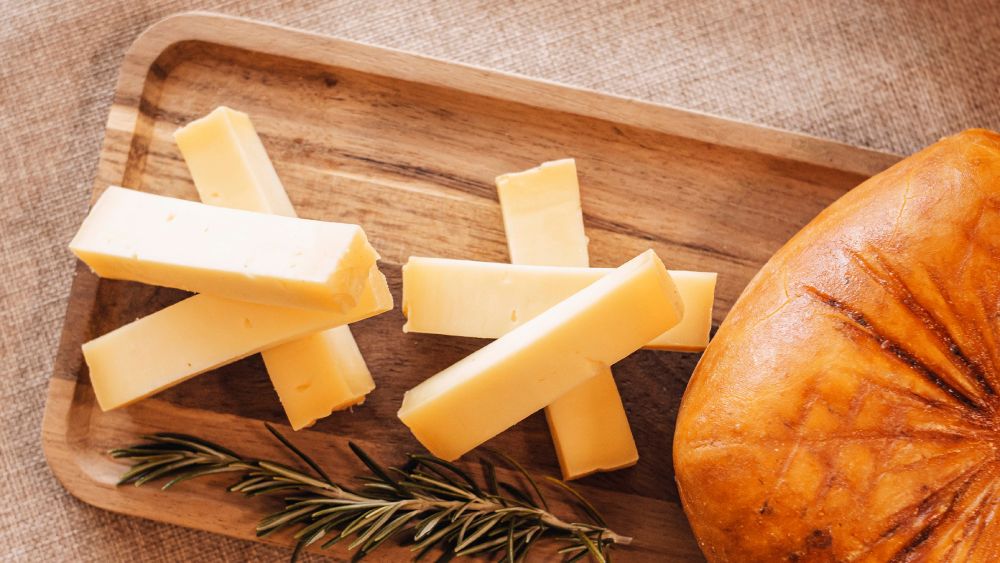
It's not a bland cheese. It has character, but without being overpowering.
Tetilla cheese
El Tetilla cheese es todo lo contrario al Cabrales. Suave, cremoso, fácil.
It's made with cow's milk and has a very pleasant, almost buttery texture. It's one of those cheeses you can eat without thinking too much, ideal for those who prefer mild flavors.
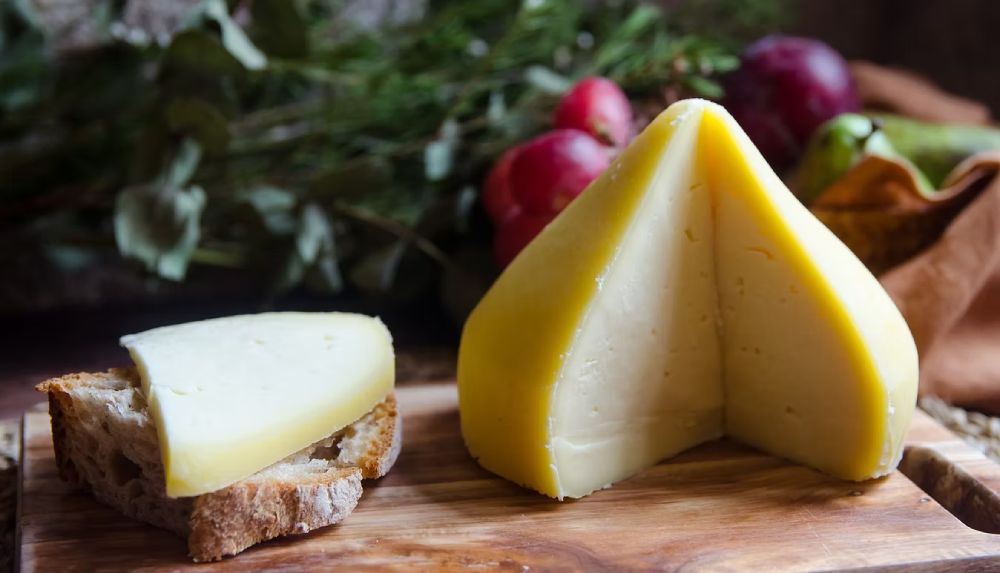
He doesn't seek to impress, but to accompany.
Murcia cheese with wine
This goat cheese has a clear differentiating element: the wine bath.
This contact gives it a characteristic color on the rind and a distinct nuance in its flavor. It's not a strong cheese, but it does have character.
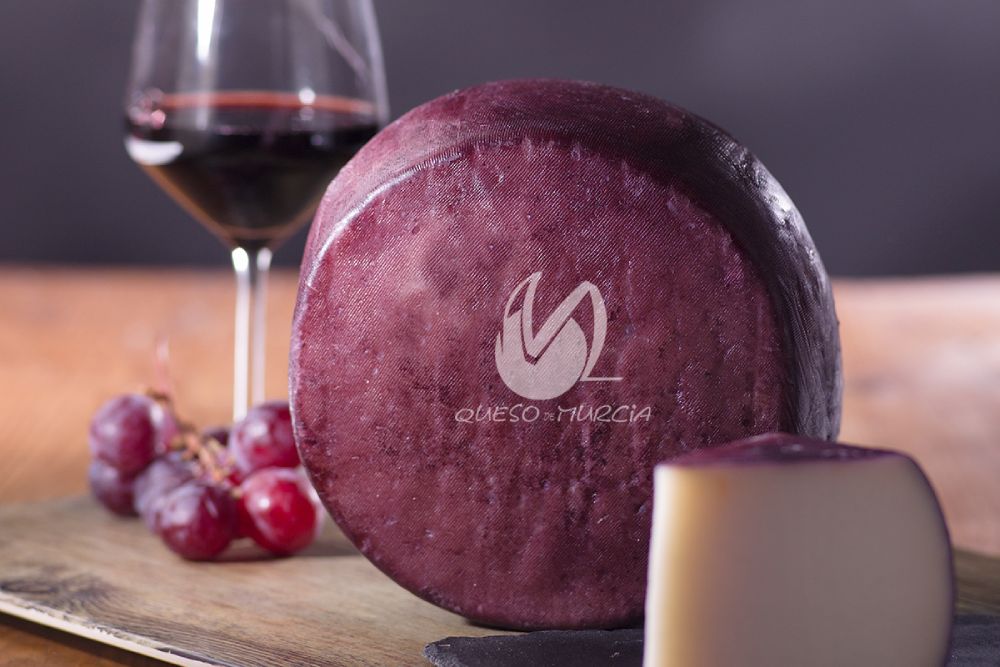
It works very well in tables, because it breaks with the usual.
Majorero Cheese
The Majorero, from the Canary Islands, is another example of how the environment influences.
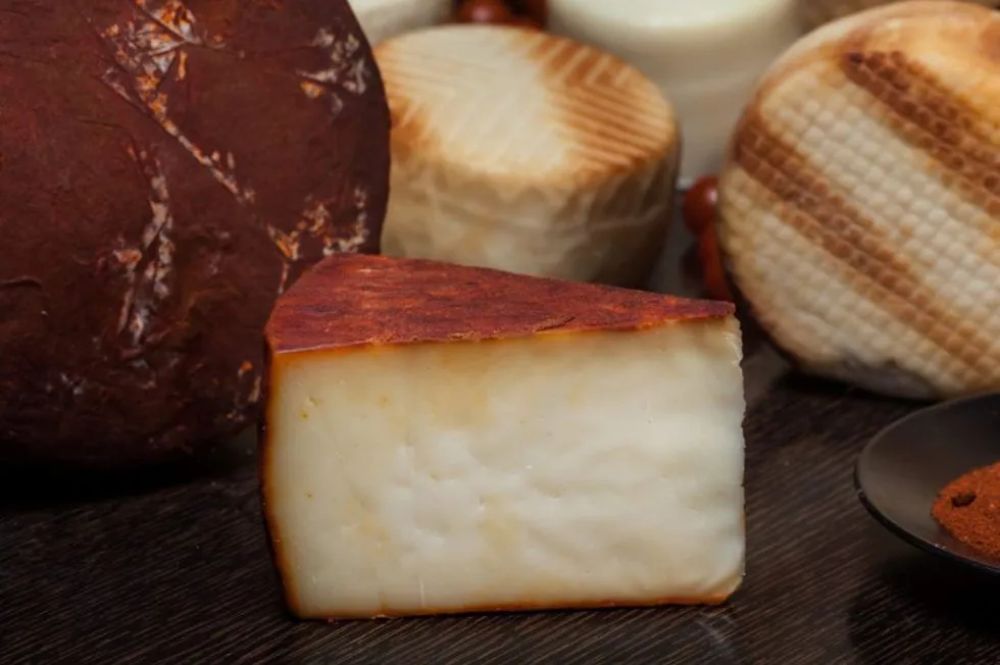
Made with goat's milk, it has a more pronounced flavor, with nuances that can vary depending on the coating (paprika, gofio, etc.). It's a cheese with character, but well-made.
Roncal Cheese
Roncal is one of the oldest cheeses in Spain. And it shows.
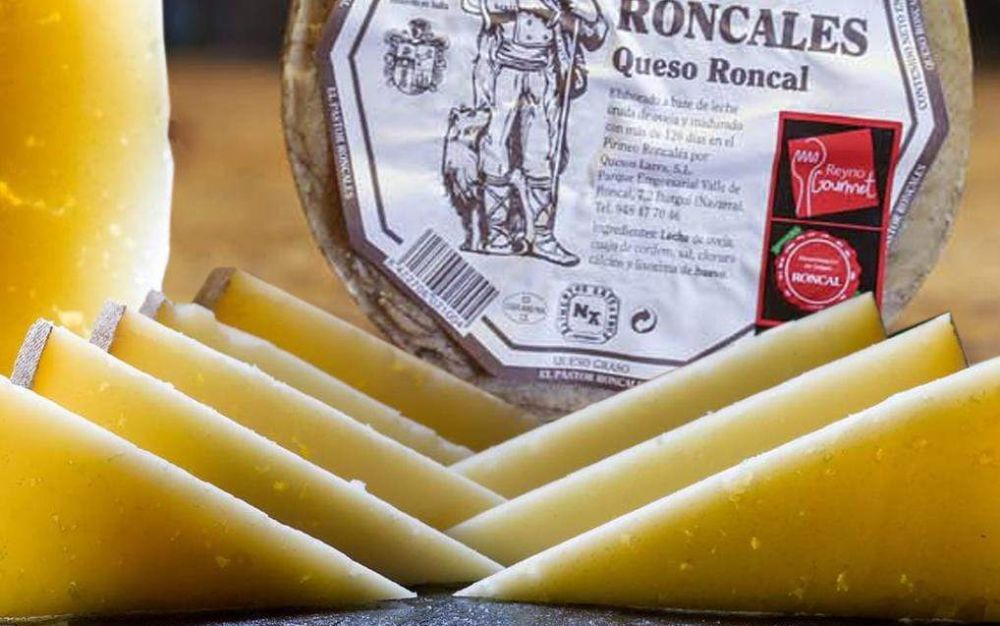
It's a firm sheep's milk cheese with an intense yet balanced flavor. It's not meant to be overpowering, but it certainly doesn't go unnoticed.
Zamorano Cheese
Similar in concept to the Manchego style, but with its own identity.
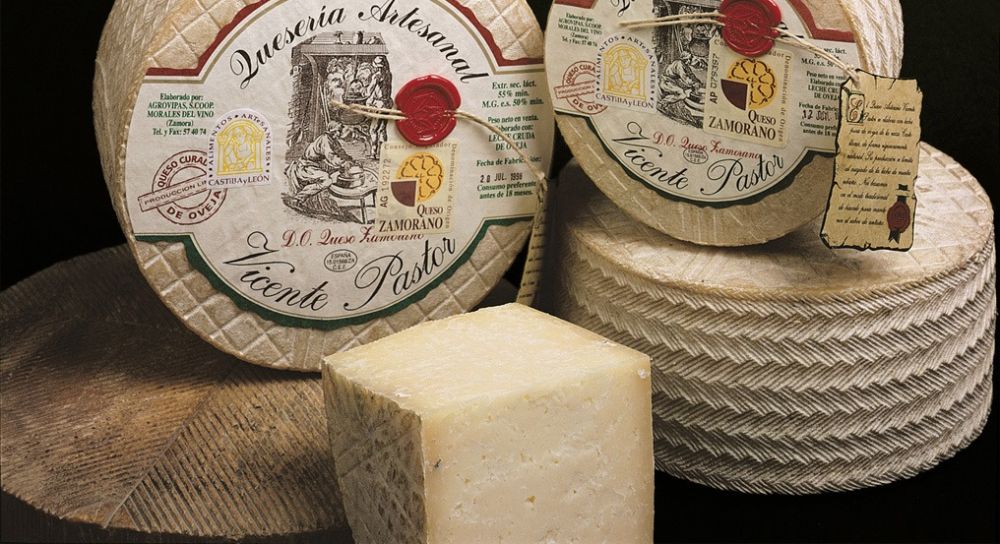
Zamorano cheese is typically more rustic, with a drier texture and a more direct flavor. It's a robust cheese.
Payoyo Cheese
Less well known, but increasingly present.
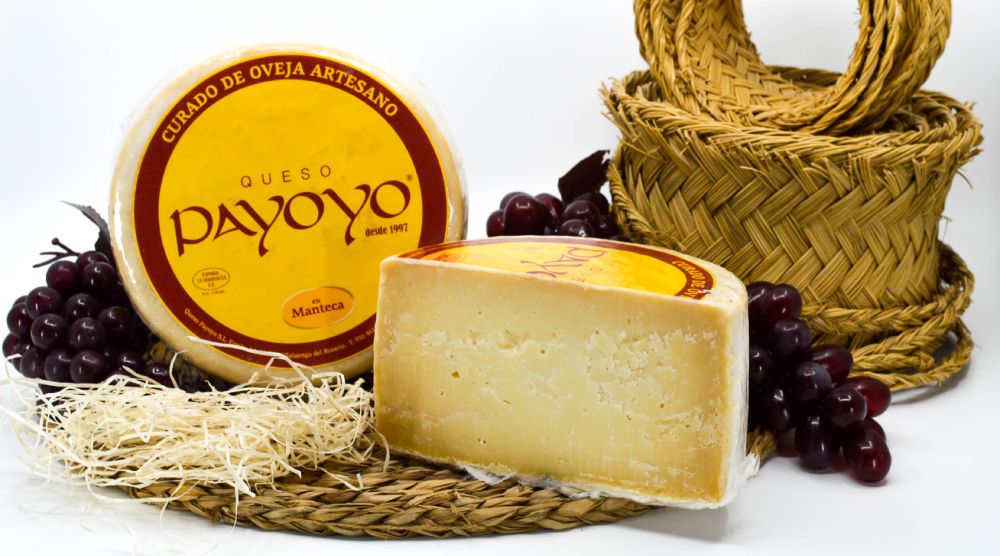
Payoyo cheese can be made with goat's milk or a mixture of milks. It has complex nuances, a pleasant texture, and a flavor that develops nicely on the palate.
Other Spanish cheeses worth knowing about
Beyond the most famous ones, there are many others:
- Traditional fresh cheeses
- Artisan goat cheeses
- Smoked cheeses from the north
- Mixed-milk cheeses with very balanced profiles
How to choose a cheese according to what you are looking for
Not all cheeses are suitable for every occasion.
- For something mild: cow or fresh
- For balance: semi-cured
- For intensity: cured or blue sheep
Conclusion
The world of Spanish cheeses is much broader than it first appears. It's not just about choosing one or another, but about understanding what lies behind each variety.
The more you know, the more you enjoy it. And in the case of cheese, that's noticeable from the first bite.
